Understand Your Voters Before They Vote.
AI-powered polling, voter modeling, and campaign intelligence.
Currently in beta — free and unlimited during early access.
Try it free — turn any story into a reader survey
Paste a newsletter or article URL. Antelope reads it and drafts a short, neutral survey — no log in required.
Campaign intelligence, simplified
Ask what you want to know about your voters and Antelope will answer you. No more waiting weeks for poll results.
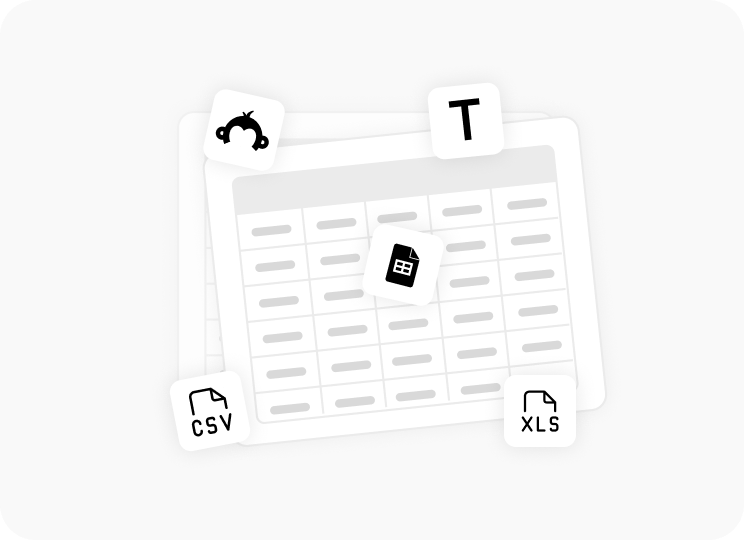
Create or import any poll
AI-powered poll builder + import from CSV, Excel, SurveyMonkey, Google Sheets, and Typeform.
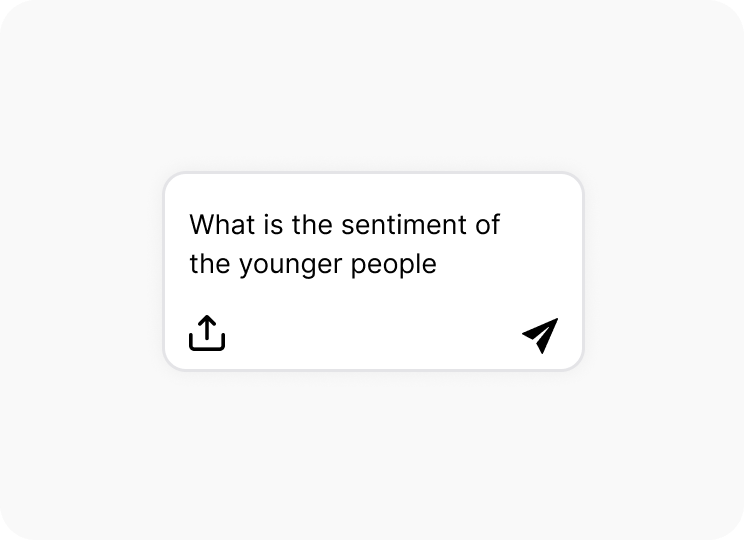
Chat with your voter data
Ask plain-language questions about your polling data and get instant, evidence-based answers.
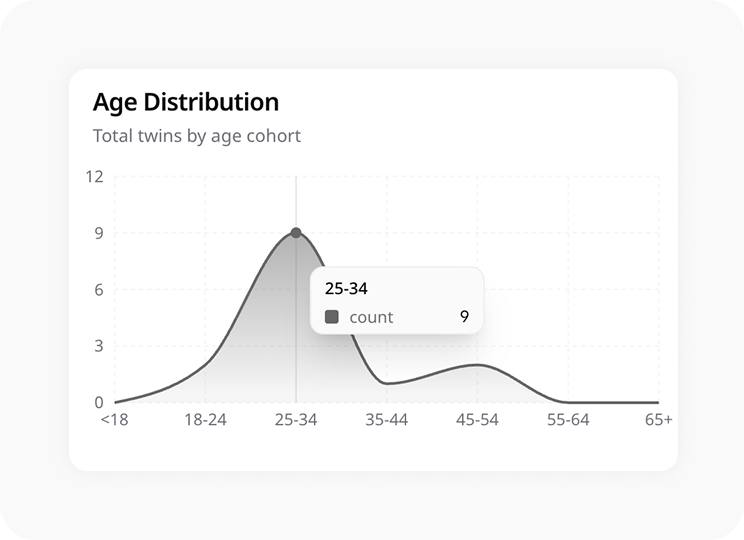
Generate campaign briefings
Ask for in-depth reports on any topic and share them with your campaign team.
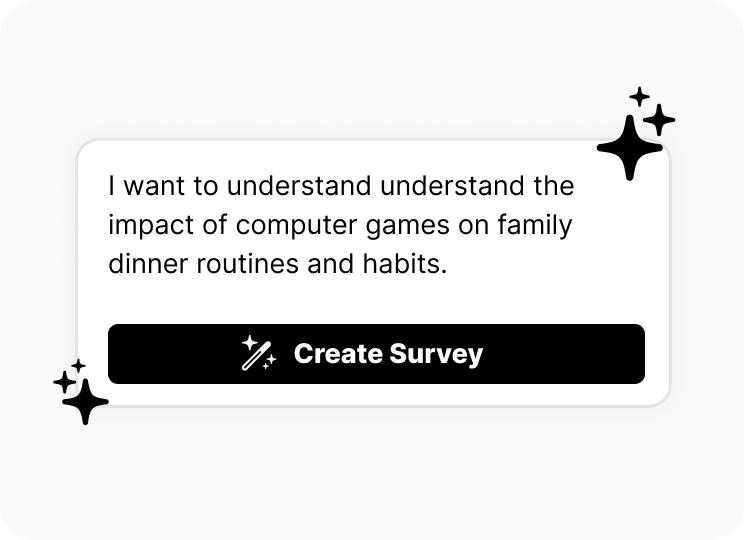
AI poll creator
Describe your research question and our AI drafts a professional poll in seconds.
Synthetic voter profiles
Each respondent becomes a queryable voter profile — test messages and explore opinions on demand.
Voter segmentation
Identify swing voters, base supporters, and persuadable segments with AI-driven analysis.
Our Vision
The Field We Want by 2030
Democracy runs on a simple promise: anyone can stand for office, speak their mind, and ask their neighbors to choose them. In practice, that promise has narrowed. Running for anything — a school board seat, a city council, a congressional district — now takes money, a team, and access to people who already know how the machine works. The further you sit from that machine, the harder it gets. That's the problem we started Antelope to fix.
By 2030, we want a different field. One where a teacher, a nurse, a small-business owner, or a first-time organizer can run a serious campaign without ten thousand dollars in software fees or a roster of consultants. Where the barrier to entry is your conviction and your willingness to do the work — not your bank account or your rolodex. That's the world we're building toward, and here's how we get there.
What actually stops people from running
Three things.
The first is cost. The tools that manage voter data, surveys, fundraising, and outreach have historically been priced for institutions, not individuals. Thousands of dollars per cycle before you've knocked on a single door. That price tag is a gate, and it keeps out exactly the people democracy should be inviting in.
The second is complexity. Even if you can afford the tools, you need people to run them. Someone for the data. Someone for the messaging. Someone for compliance and finance. Someone to stitch six disconnected platforms into something that functions. For an incumbent with a staff, that's routine. For a challenger with a day job, it's disqualifying.
The third is the one nobody puts on a pricing page: anxiety. Most people who could run never do, because they don't believe they can win, can't picture affording it, or quietly assume their neighbors won't listen. That fear does more gatekeeping than any fee. And it's worth saying plainly — even if you run and lose, even if you spend a few thousand dollars and come up short, you did something rare and worthwhile. You exercised your right to stand for office. That is not a failure. That is the whole point of a republic.
What we automate — and why
When we talk about automation, we don't mean replacing the human part of politics. Politics is about people persuading people, and it always will be. What we automate is the friction that stands between a person and that conversation.
The operational layer first: survey design and deployment, so you can ask your district what it thinks and actually hear the answer. Outreach across email, text, and social, coordinated instead of scattered. Fundraising follow-ups. Volunteer coordination. Research and opposition tracking. Compliance-aware record-keeping. The unglamorous, time-eating work that currently requires a team — handled in the background.
Then the part that matters most: turning raw district data into plain answers. Who in this district is likely to give? What issues move people here, street by street? Where should a first-time candidate spend a limited week? Instead of staring at spreadsheets you don't have time to read, you get clarity. And clarity is the antidote to the anxiety. When you can see your district, your supporters, and what genuinely matters to the people around you, the fear starts to lift. You stop guessing and start deciding. That shift — from anxiety to certainty — is the thing we are really in the business of.
Where the platform is going
Today, the product is one person, one question, one answer. That's a starting point, not the destination.
We're building toward a platform where a whole campaign works in one shared space. A candidate, a campaign manager, a volunteer lead, and the automated systems running alongside them — all coordinated, all handing work off to each other without anyone rekeying data or chasing status updates. Research feeds strategy. Strategy feeds outreach. Outreach feeds analysis. Analysis feeds the next decision. You set the direction; the platform keeps the whole operation moving as one workflow instead of a pile of tools and disconnected people.
That is what closes the gap with incumbency. A well-funded campaign wins partly because it can coordinate at scale. When coordination at scale is available to anyone for a fair price, the incumbent's structural advantage shrinks — and the field opens up.
From campaigns to communities
Campaigns are where we start, because that's where the pain is sharpest and the timeline is real. But the same logic reaches further.
In 2027 and 2028, city councils, county parties, advocacy organizations, and issue-based PACs. By 2030, municipalities and grassroots movements — any institution whose job is to listen to a community and act on what it hears. A mayor shouldn't need a consulting firm to understand their own city. An advocacy group shouldn't need six vendors to run a coordinated push. The work of governing well is, at bottom, the same work as campaigning well: understand the people you serve, and respond to them faster and more honestly than the alternative.
Why this holds
We think a lot about what makes this durable, and it isn't the code. Code can be copied. What can't be copied is what accumulates when real campaigns run through the platform: a growing, first-party understanding of what actually moves people — which messages land, which issues matter in which neighborhoods, how communities actually decide. That understanding compounds with every campaign, and it only exists because the product is used. Which means the whole thing is self-reinforcing in the right way: it gets better for everyone as more people participate, and it only gets better if it earns their participation by working.
That's the bet. Lower the barrier, expand the field, and trust the result. More people running means more voices, more accountability, more competition for the privilege of representing a community. That is not a threat to democracy. That is democracy, working the way it was supposed to.
We've got a lot of building left to do. But the direction is fixed: a field where anyone can run, and no one is priced or frightened out of trying.
Pricing Bot
Opens from the corner. Make your case, then keep convincing Antelope for a deeper discount.